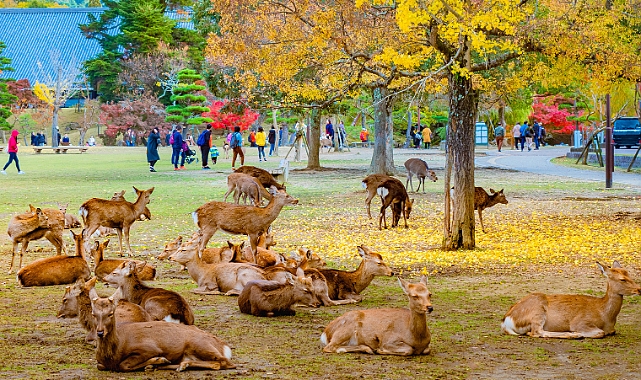
As Japan navigates the complexities of mass tourism, one city stands out for its unique inhabitants who thrive on the influx of visitors. Nara, an ancient city with a UNESCO World Heritage designation, is not only famous for its historic temples and shrines but also for its friendly deer population. While many regions in Japan are grappling with the downsides of over-tourism, Nara's deer seem to welcome the crowds with open hooves.
The Dual Nature of Tourism in Japan
Japan has long been a magnet for tourists, drawn by its rich culture, advanced technology, and picturesque landscapes. However, the surge in visitor numbers has led to significant challenges. Cities like Kyoto and Tokyo struggle with overcrowding, strain on public services, and disruptions to daily life. Local residents often find themselves at odds with the very industry that supports their economy, leading to a love-hate relationship with tourism.
Nara's Unique Attraction
Nara, located in the Kansai region, offers a contrasting narrative. The city's deer, considered messengers of the gods in Shinto belief, freely roam Nara Park and its surrounding areas. These Sika deer have become a symbol of the city, attracting millions of visitors annually who come to feed them shika senbei (deer crackers) and take photos. The interaction between tourists and deer is a quintessential Nara experience, blending nature, tradition, and modern tourism.
The Benefits of Deer Tourism
For Nara, the deer are more than just an attraction; they are an integral part of the local ecosystem and culture. Tourism centered around the deer has several benefits:
- Economic Boost: The steady stream of visitors supports local businesses, from souvenir shops to restaurants, providing a vital economic lifeline.
- Cultural Preservation: Tourism promotes awareness and preservation of Nara's cultural heritage, including its temples and historic sites.
- Conservation Efforts: The revenue generated through tourism helps fund conservation efforts for the deer and their habitat, ensuring their well-being and longevity.
Balancing Act
Despite the positive aspects, managing deer tourism comes with its challenges. Overfeeding by tourists can lead to health issues for the deer, and their increasing population requires careful management to prevent overgrazing and ecological imbalance. The city has implemented measures to educate visitors on responsible feeding and interaction with the deer to mitigate these issues.
Future Outlook
As Japan continues to address the impacts of mass tourism, Nara's approach offers valuable insights. By focusing on sustainable tourism practices that benefit both wildlife and local communities, Nara provides a model for balancing economic gain with cultural and environmental preservation. The deer of Nara, with their gentle demeanor and cultural significance, remind us that harmonious coexistence between humans and nature is possible, even in the face of growing tourism pressures.In conclusion, while Japan may be grappling with the challenges of mass tourism, Nara's deer stand as a testament to the potential for positive, symbiotic relationships between tourists and local wildlife. The city's success in integrating its natural and cultural heritage into the tourism experience provides a hopeful blueprint for other destinations worldwide.