A proposal aimed at tightening smoking regulations and promoting smoke-free environments was overwhelmingly rejected by the European Parliament (EP) in a vote of 378 against, 152 in favor, and 26 abstentions. Despite initial bipartisan support, amendments introduced by conservative groups derailed the proposal.
The Proposal and Its Goals
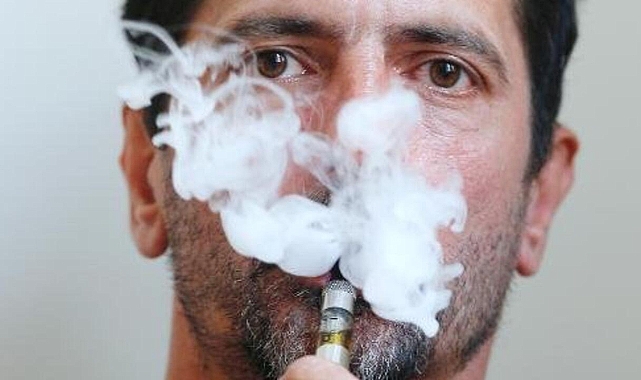
The motion, drafted collaboratively by the European People’s Party (EPP), Socialists and Democrats (S&D), Renew Europe, and the Greens/EFA, sought to strengthen public health measures. Key provisions included extending smoking bans to semi-enclosed spaces such as terraces and patios, and regulating innovative nicotine products, including e-cigarettes and heated tobacco products.The proposal aimed to address health risks from both traditional and novel tobacco products while protecting vulnerable groups, including children and pregnant women.Amendments and Opposition
Amendments introduced by the European Conservatives and Reformists (ECR) emphasized distinguishing e-cigarettes and heated tobacco products from traditional cigarettes. Proponents argued these alternatives could aid smoking cessation efforts.This stance found support from a majority of EPP members, despite earlier backing for the original motion. The shift sparked criticism from other political factions, with S&D negotiator Alessandra Moretti condemning the EPP's alignment with what she termed “anti-science” views.“The Parliament has missed an opportunity to approve measures that could protect public health, especially for sensitive groups,” Moretti said.National vs. EU Jurisdiction
Another contentious point was the balance of authority between the EU and member states. The Patriots for Europe (PfE) group argued that regulatory power over smoking bans should remain solely with individual nations.Sources cited by Euronews noted that PfE’s opposition stemmed from their belief that the proposal overstepped EU jurisdiction.Broader Implications
The proposal was designed as a non-binding framework to guide member states in their efforts to combat tobacco-related illnesses, including cancer. Despite the setback, the European Council will review the Commission’s recommendations during an upcoming meeting of health ministers.While the rejected proposal will not directly impact legislation, it highlights ongoing debates around balancing public health priorities, personal freedoms, and the evolving landscape of tobacco alternatives.As discussions continue, the rejection underscores the challenges of forging consensus on public health initiatives across diverse political and ideological lines within the EU.