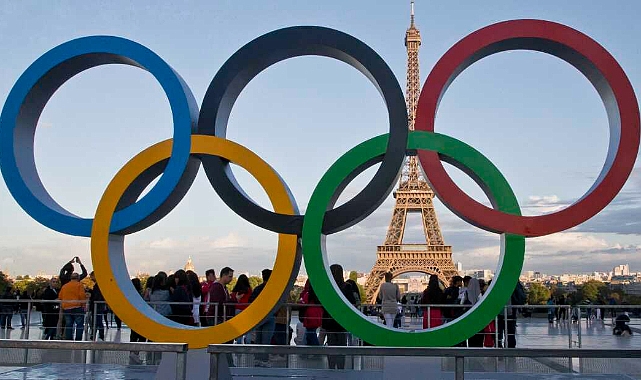
With the Olympic Games rapidly approaching, travelers heading to Paris might face significant challenges due to potential airport strikes and a no-fly zone during the opening ceremony. Here's what you need to know to navigate these disruptions and ensure your trip goes as smoothly as possible.
Potential Airport Strikes in Paris
Despite a recent agreement to prevent an airport strike on July 17, tensions remain high. The Force Ouvrière (FO) union, which represents 11.5% of workers at Paris Orly and Roissy-Charles de Gaulle airports, has threatened to walk out starting at 5 am on July 26, lasting until 7 am the following day. This strike is planned to coincide with the opening ceremony of the Olympic Games.While a deal reached with the CGT, CFDT, and UNSA unions granted a €300 bonus to all staff, the FO union has deemed this insufficient. They demand bonuses be increased to €1,000 among other pay-related issues. However, since other unions have not joined the strike, major disruption is not expected.No-Fly Zone During the Olympic Opening Ceremony
To further complicate matters, a no-fly zone will be in effect from 6:30 pm to midnight on July 26. This measure is designed to avoid disruption and enhance security during the opening ceremony. During this period, landings at Paris airports will be suspended. Airlines have preemptively canceled flights to comply with the ban, rerouting and informing passengers accordingly.Tips for Beating Travel Disruption in Paris
As Paris prepares to welcome over 15 million visitors during the Olympic Games from July 29 to August 11, travelers need to be well-prepared to navigate the city amidst closures and crowds.- Stay Informed: Keep up-to-date with the latest information on street and bridge closures near major Olympic event sites, such as those on the Seine river and around iconic monuments like Notre Dame. The Paris City Hall website and the official Paris 2024 site are valuable resources for current closures and updates.
- Public Transport: Check the RATP website for a list of metro and tram closures. Plan your route in advance and allow extra time for travel by public transport. Considering the potential for large crowds and delays, walking might be the most efficient way to reach destinations that are close by.
- Use Navigation Apps: Download alternative navigation apps like Citymapper and the official Bonjour RATP app in addition to Google Maps. These tools will help you monitor street closures, station closures, and traffic congestion more effectively.
- Explore Beyond the Main Attractions: Take advantage of the quieter parts of the city. According to GuruWalk guide Fabien Percuha, exploring lesser-known areas with local art galleries and thrift shops can provide a unique and enjoyable experience away from the Olympic crowds.