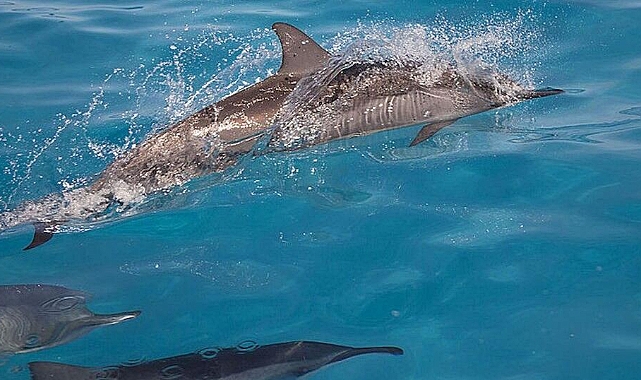
Hawaii's spinner dolphins, known for their playful acrobatics and enchanting presence, have long been a draw for tourists seeking an unforgettable marine experience. However, the practice of swimming with these dolphins has stirred significant controversy, raising questions about the impact on the animals and the ethics of such encounters.
The Allure of Spinner Dolphins
Spinner dolphins, named for their remarkable spinning leaps out of the water, are a common sight in the coastal waters of Hawaii. These dolphins are known to socialize and rest in shallow bays during the day, making them accessible to swimmers and snorkelers. The chance to see these creatures up close, and possibly interact with them, is a compelling attraction for many visitors.The Controversy
Despite the allure, the practice of swimming with spinner dolphins has been met with growing opposition from conservationists and marine biologists. The primary concern revolves around the disturbance of the dolphins' natural behaviors. Spinner dolphins have a nocturnal feeding pattern, hunting at night and resting during the day. Human interaction during their rest period can cause stress and disrupt their necessary recuperation time.Regulatory Response
In response to these concerns, the National Oceanic and Atmospheric Administration (NOAA) has proposed regulations to limit human interactions with spinner dolphins. These regulations aim to establish a minimum distance between dolphins and swimmers or boats, ensuring the animals are not harassed or disturbed. The goal is to protect the dolphins' natural behavior patterns while still allowing for responsible wildlife viewing.Ethical Considerations
The ethical debate surrounding swimming with spinner dolphins extends beyond conservation concerns. It raises broader questions about the human relationship with wildlife and the responsibility to ensure that our enjoyment does not come at the expense of animal welfare. Advocates for stricter regulations argue that wild animals should not be treated as entertainment, and their habitats should be respected as sanctuaries rather than tourist attractions.Sustainable Tourism
For those passionate about marine life and eager to experience Hawaii's natural beauty, sustainable tourism practices offer a compromise. Eco-friendly tour operators are increasingly emphasizing dolphin-watching from a distance, using boats that do not chase or encroach upon the dolphins. Educational programs can also enhance tourists' understanding of the marine ecosystem and the importance of conservation.The controversy surrounding swimming with Hawaii's spinner dolphins highlights the delicate balance between wildlife tourism and conservation. While the opportunity to swim with these charismatic creatures is undeniably appealing, it is crucial to consider the impact on the dolphins and prioritize their well-being. By supporting sustainable and responsible tourism practices, we can ensure that future generations will continue to enjoy Hawaii's vibrant marine life without compromising the health and natural behaviors of its inhabitants.