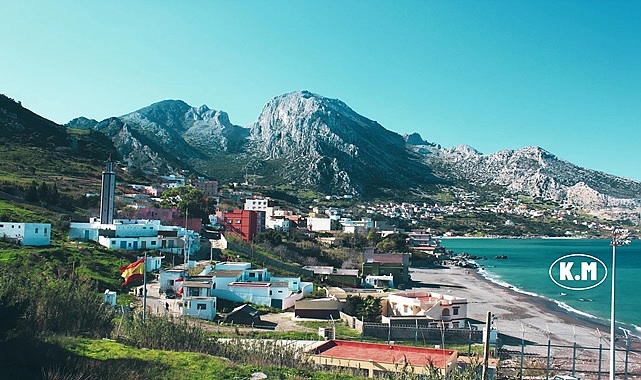
In the north of Africa, directly across from Morocco, lies a small corner of Spain. These territories, known as Ceuta and Melilla, are geographically situated within the continent of Africa, yet culturally and politically they belong to Europe. This article will delve into the historical, geographical, cultural, and political significance of these unique Spanish territories.
Ceuta and Melilla are considered integral parts of Spain's territorial integrity. However, despite being geographically located within Africa, they are isolated from the rest of the continent. Ceuta lies to the northwest, east of the Strait of Gibraltar, while Melilla is situated to the east, on the northern coast of Morocco. Their strategic locations have made these areas focal points for invasion, conquest, and trade throughout history.
Historically, Ceuta and Melilla were established during periods of Moorish and Arab rule over the Iberian Peninsula. After becoming part of the Spanish Empire, these territories remained under Spanish dominion, becoming rare European colonies on the African continent. Even today, one can observe Spanish, Arab, and Berber influences intermingling in the streets of these regions, creating a multicultural atmosphere that defines Ceuta and Melilla.
Politically, the status of Ceuta and Melilla is contentious. Morocco regards these territories as part of its own land and occasionally contests Spanish sovereignty over them. However, Spain asserts that these territories are Spanish soil and enjoys international recognition of its claim. These political tensions have occasionally led to friction between the two countries.
Economically, despite being part of Spain and thus the European Union, Ceuta and Melilla benefit from special economic statuses. With tax advantages and free trade zones, these territories play significant roles in trade and tourism. Additionally, Ceuta and Melilla are known as entry points for illegal immigrants into Europe, drawing international attention at times.
In conclusion, despite their small size, Ceuta and Melilla are unique Spanish territories of great historical, cultural, political, and economic importance. They carry the traces of Europe in the heart of Africa while reflecting the complexities of past and present relationships.