Psilocybin, a naturally occurring psychedelic compound found in certain mushrooms, has been the subject of increasing scientific interest and research. This article explores how psilocybin affects the brain, its potential therapeutic benefits, and the ongoing studies that aim to unlock its mysteries.
Understanding Psilocybin
Psilocybin is a hallucinogenic substance that, when ingested, is converted by the body into psilocin. Psilocin interacts with serotonin receptors in the brain, particularly the 5-HT2A receptor, which plays a significant role in mood, perception, and cognition. The effects of psilocybin can vary widely depending on the dose, the individual's mental state, and the environment in which it is consumed.
The Neurological Effects
When psilocybin is consumed, it leads to a variety of neurological effects:
- Altered Perception: Psilocybin causes significant changes in perception, including visual and auditory hallucinations, and a distorted sense of time and space.
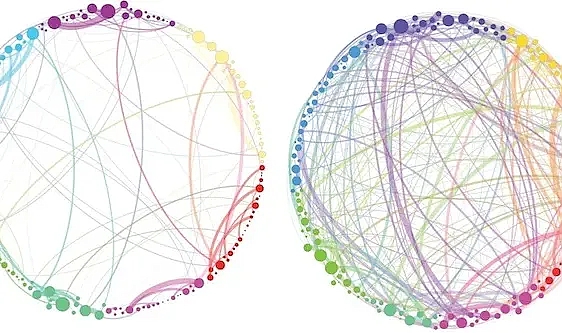
- Increased Connectivity: Studies using brain imaging techniques have shown that psilocybin increases connectivity between different regions of the brain. This heightened connectivity is believed to contribute to the profound and often insightful experiences reported by users.
- Reduced Default Mode Network Activity: The default mode network (DMN) is a network of interacting brain regions associated with self-referential thoughts and ego. Psilocybin reduces activity in the DMN, which is thought to be related to the dissolution of the ego and the feeling of oneness with the universe that many users report.
Therapeutic Potential
Recent studies suggest that psilocybin has significant therapeutic potential for various mental health conditions:
- Depression: Clinical trials have shown that psilocybin can lead to substantial reductions in depressive symptoms, even in treatment-resistant depression.
- Anxiety: Psilocybin has been found to alleviate anxiety, particularly in patients with life-threatening illnesses such as cancer.
- PTSD: Emerging research indicates that psilocybin may help individuals with post-traumatic stress disorder (PTSD) by allowing them to process traumatic memories in a less distressing way.
- Addiction: Preliminary studies suggest that psilocybin can help reduce dependence on substances like alcohol and tobacco.
Current Research and Future Directions
The resurgence of interest in psychedelic research has led to numerous studies exploring the potential benefits of psilocybin. Researchers are investigating its efficacy in treating various psychiatric disorders, understanding its mechanisms of action, and determining the optimal conditions for its therapeutic use.One promising area of research is the use of psilocybin in combination with psychotherapy. This approach, often referred to as psychedelic-assisted therapy, aims to harness the therapeutic potential of psilocybin while providing a supportive environment for individuals to process their experiences.Psilocybin, once dismissed as a mere recreational drug, is now recognized for its profound effects on the brain and its potential to treat a range of mental health conditions. While more research is needed to fully understand its mechanisms and optimize its use in clinical settings, the current findings are promising. As the stigma surrounding psychedelics continues to fade, psilocybin may well become a valuable tool in the mental health field, offering hope to those who have not found relief through traditional treatments.