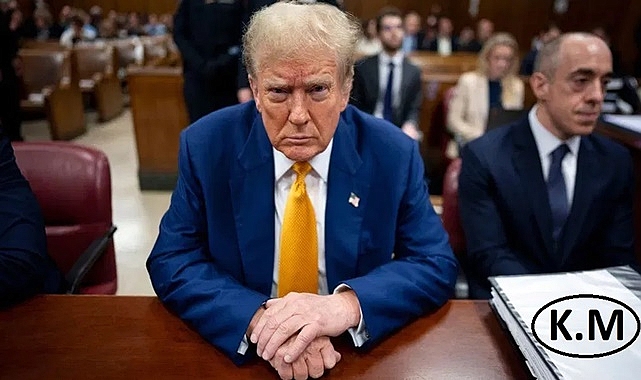
The conviction of Donald Trump marks a solemn and volatile moment in American history, underscoring the fragility of bedrock democratic values. While Trump's guilty verdict on multiple felony charges reaffirms the principle of equality under the law, his immediate response and the subsequent alignment of top Republicans with his assault on the justice system highlight the perilous state of these values.
Trump's authoritarian rhetoric following the verdict, dismissing the trial as rigged and vowing to fight for the country, reflects a concerning trend towards the erosion of democratic norms. His attempt to conflate his personal fate with the nation's well-being echoes the tactics of dictatorial leaders.
The implications of Trump's conviction are far-reaching, particularly in the context of the upcoming presidential election. With Trump likely to secure the Republican nomination despite his criminal status, the campaign will be fraught with polarization and uncertainty. The verdict could energize his base while further alienating moderate voters, leading to a deeply divided electorate.
Moreover, Trump's relentless attacks on the legal system and his efforts to undermine faith in democratic institutions pose a significant threat to the fabric of American democracy. The complicity of Republican leaders in perpetuating his falsehoods further exacerbates this danger, potentially setting the stage for a more authoritarian future.
The profound reverberations of the trial verdict extend beyond Trump's personal fate. It represents a test of the resilience of American democracy and the ability of its institutions to withstand political manipulation. Ultimately, the true verdict on Trump's legacy and the future of American democracy will be delivered by the voters in the upcoming election.