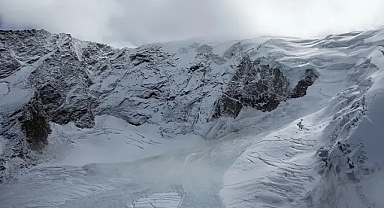
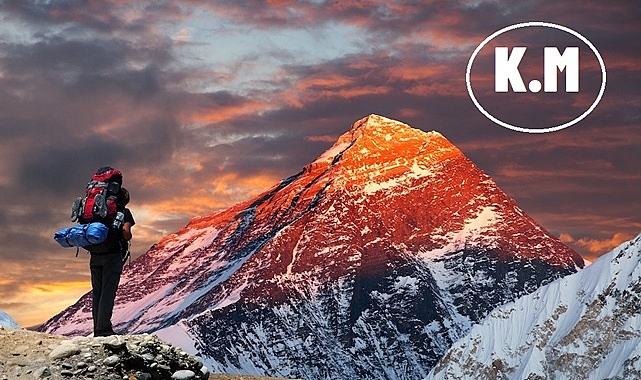
Climbing to the summit of Mount Everest, also known as the 'Death Zone,' is an adventure filled with high risks. Every year, hundreds of climbers embark on this perilous journey with the goal of reaching the summit. The section known as the Death Zone is located at an altitude of over 8,000 meters and is fraught with natural dangers such as low oxygen levels, risk of frostbite, sudden weather changes, and high winds. So why do people continue to pursue this risky journey?
Firstly, reaching the summit of Everest is a significant achievement for many climbers. It serves as a motivating factor for those who seek to accomplish personal goals. The experience of reaching the summit is a challenge that requires physical and mental resilience, and the satisfaction of overcoming this difficulty continues to attract climbers to Everest.
Secondly, Everest climbing has become an economic industry. Tourism revenue from Nepal and Tibet has become a significant source of income for local economies. Therefore, the cooperation and commercial interests between climbers, tour operators, and local guides support the continued interest in climbing Everest.
However, this interest and commercial activity come with a cost. Many climbers have lost their lives due to the high-altitude conditions in the Death Zone. Additionally, the increasing tourism towards the summit has exacerbated the environmental impact of the mountain and deepened the garbage problem in the region.
In conclusion, climbing expeditions to Everest continue due to various factors such as personal achievement and economic gain. However, the natural and human costs of these activities should not be overlooked. Climbers should respect natural resources and adhere to sustainability principles by collaborating with local communities on these challenging journeys.